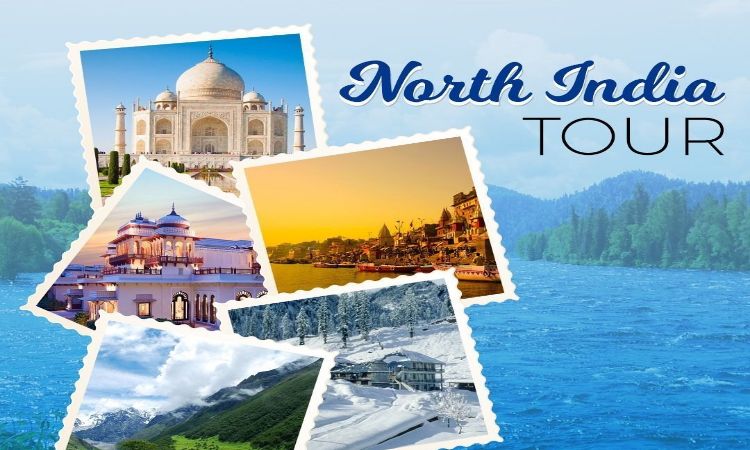
The idea of a North India tour often starts with excitement, then questions appear. Distances feel large. Culture feels unfamiliar. Timelines feel unclear. This reaction feels normal. North India offers depth, but it asks for thought before travel.
Many travellers from the UK imagine North India as one place. It is not. Each region carries its own pace, food, climate, and customs. Delhi vibrates with a layered, fast-paced energy, whereas Rajasthan offers an expansive sense of history and open space. The Himalayas feel calm and cool. Trying to see all of this in one short visit leads to fatigue.
Choosing Places Without Rushing The Map
A North India plan works best when it stays realistic. Flights from the UK already take time. Jet lag adds a quiet strain. Packing too many cities into a short trip reduces enjoyment.
Delhi works well as an entry point due to flight access. From there, many travellers head to Agra, Jaipur, or farther north. This path feels familiar because roads and trains support it well. Adding hill regions like Himachal or Uttarakhand adds contrast, but it also adds travel hours.
The weather plays a role that surprises many visitors. The summer heat feels strong from May to June. Winter fog affects travel from December to January. Spring and autumn feel balanced. Checking the climate by region helps shape the route.
Travellers assume distance on maps equals short drives. In North India, traffic and road conditions change timing. A three-hundred-kilometre journey may take most of the day.
Travel Logistics That Shape The Experience
Visas, flights, and internal transport form the backbone of any plan. UK passport holders must apply for an Indian visa before travel. The process stays online, but timelines vary. Applying early reduces stress.
Flights from London reach Delhi directly. This saves energy. Internal flights help on long routes, but trains offer local insight. Each option suits different comfort levels. Some travellers enjoy train journeys. Others prefer shorter flights.
Accommodation choice affects daily rhythm. Central locations reduce travel time. Heritage hotels offer character. Modern hotels provide predictability. Neither option feels wrong. The choice depends on travel style.
This stage often leads people to review the best indian tour packages for structure and comparison. Packages give a sense of pacing, not obligation. Reading them helps travellers understand what fits into ten or twelve days.
Agencies like Indian Panorama provide route explanations that help travellers understand these patterns without pressure. This type of guidance supports clarity rather than persuasion.
Food, Pace, And Small Cultural Habits
North Indian cuisine is famously rich, offering a variety of textures and spices that define the local dining experience. With generous portions, sharing dishes helps balance meals. It’s also important to focus on water safety. Bottled water stays standard. Hot tea and coffee feel safe choices. These habits feel simple, yet they prevent discomfort that can affect travel days.
Cultural habits feel welcoming, but different. Personal space varies. Traffic noise feels constant in cities. Patience helps. A slower pace leads to better moments.
Shopping draws attention. Markets feel lively. Fixed price stores exist. Bargaining feels common. A calm tone works better than a firm negotiating stance.
Budget Thoughts And Timing Decisions
Costs vary by region and season. Luxury stays exist beside modest options. Transport costs stay lower than in the UK. Flights and hotels form the main expenses.
Travel insurance matters. Medical care quality varies by city. Coverage adds peace of mind. This detail is easy to skip in the excitement.
A final point involves time. North India rewards slower travel. Two or three regions feel better than six. Memories form during quiet moments, not constant movement.
By studying the best Indian tour packages, travellers can gain a realistic sense of how to distribute their days across multiple cities without overextending themselves.